Man With A Van in Blackfriars

Our man with a van in Blackfriars service is designed for straightforward removals, item transport and practical loading support when you need help moving possessions across London or beyond. We handle everyday moving tasks with a flexible vehicle-led service, helping with single items, part loads and lighter house or office moves where a full-scale removal crew is unnecessary. The aim is simple: move your belongings safely and efficiently while keeping the process clear and manageable.
Because this is a versatile service, it can suit customers who need furniture collected, household contents shifted between addresses, or selected items delivered after a sale or purchase. Our work can also support students, tenants, landlords, offices and shops when there is a modest amount to move and careful handling matters. If you are comparing options, start by thinking about what needs moving, how much lifting is involved and whether access at either end will affect the job.
For a broader view of what we can help with, the pages on man and van and removal services set out the core service types in more detail. Book the right level of support by matching the job to the load, the access and the distance, rather than choosing a larger service than you need. If you already know the basics, you can ask for a quotation and we will help you shape the move around the practical requirements.
Everyday moving support
Our everyday moving support covers the kind of jobs that benefit from a van, loading help and careful route planning without requiring a large removal team. That may include moving boxes, dismantled furniture, appliances, office items or mixed household contents. The service is useful where the volume is moderate, the items are awkward, or you want help making the process more efficient than arranging transport alone.
We can also support planned collections and point-to-point delivery where items need to be kept together and handled with care. In practical terms, that means considering weight, fragility, shape and access before the job begins. If an item needs protecting, wrapping or better packing, the work can be approached in stages so that each item is loaded securely and arrives in the right condition.
When you send an enquiry, the most useful details are the collection and delivery areas, a brief inventory of the main items and anything that might affect access such as stairs, narrow hallways or limited parking. It also helps to mention whether the move includes disassembly or reassembly. Contact us if you would like to discuss a planned move and receive a quotation based on the actual job.
House removals and partial moves

House removals arranged through a man with a van service are often best for smaller homes, flat moves and partial contents rather than very large household relocations. That can include one-bedroom moves, student accommodation, storage runs and the transfer of selected rooms or bulky furniture. The service is useful when you want a practical moving day that stays focused on the items you actually need transported.
If you are not moving an entire property, partial removals can be a sensible alternative. Many customers only need beds, wardrobes, sofas, tables, white goods or a measured mix of boxes shifted from one address to another. A smaller move still benefits from planning, especially if the items are heavy or awkward, because the handling needs may be just as important as the distance travelled.
You can review related pages such as home moves and house removals to see how domestic moving support is described across the site. For a quick next step, gather a simple list of what is moving and note any special handling needs. Then request a quotation so the transport can be matched to the work involved.
Packing, loading and furniture handling
Good moving work depends on more than the vehicle itself. Packing, loading and furniture handling affect how safely the job is completed and how smoothly the day runs. Items need to be grouped sensibly, protected where needed and loaded in a way that reduces movement during transit. The right approach depends on whether the load is mostly boxes, soft furnishings, bulky furniture or a mixture of all three.
For furniture, we can help with careful lifting and positioning so that items are moved without unnecessary strain or damage. That may mean planning the order in which pieces are taken out, deciding whether a large item should be separated into smaller sections and making sure the vehicle space is used efficiently. For mixed loads, the aim is to keep lighter items stable while making room for heavier pieces that need more secure placement.
Further detail is available on packing and unpacking services and furniture pick-up, which are useful if your move involves preparation or collection of individual items. Think through the loading order before the day so that anything delicate is not buried beneath heavier loads. If you are unsure how much assistance is needed, a short summary of the items is usually enough to start the quotation process.
Office and business transport
Office and business transport through a man with a van service is well suited to smaller commercial moves, internal transfers and deliveries of work equipment. Typical loads may include desks, chairs, archive boxes, display materials, stock, IT equipment or light furniture. The emphasis is on organised handling, clear timing and keeping items grouped so that the business can get back to normal as quickly as possible.
Some commercial jobs are simple relocations of a few essential items; others involve moving the contents of a compact office or a trading space with a limited amount of furniture. Whatever the scale, it helps to separate what must move immediately from what can wait, because that makes the schedule and the load easier to manage. Careful planning also matters where shared entrances, lift access or loading restrictions are part of the move.
If your business needs a broader move, the site pages for office relocation services and office removals explain the commercial side of the work more clearly. For jobs that are time-sensitive or involve several destinations, it is sensible to outline the addresses and the type of items first, then ask for a quotation based on the actual route and load.
About Blackfriars

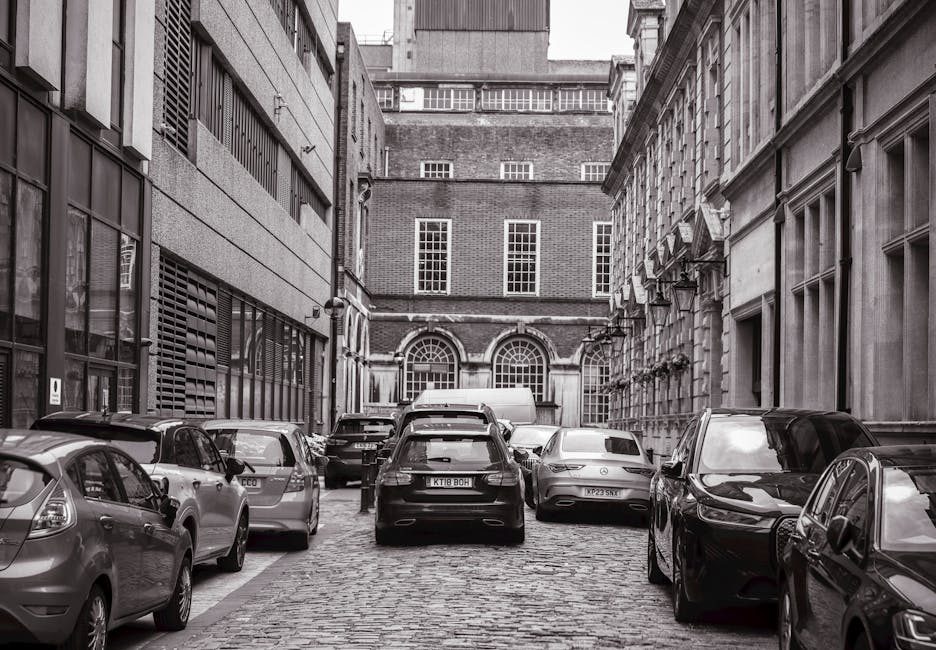
Blackfriars sits on the north bank of the River Thames in central London, at the point where the City meets the river and the route across the water has long been important. The area takes its name from the Dominican friary that once stood here, established in the 13th century and later dissolved in the 16th century. Today the name is shared by Blackfriars Bridge, Blackfriars Station and the surrounding district, each of which reflects the area’s long association with movement, crossing and connection. The station, rebuilt in the early 21st century, now spans the river as well as the north side, making it one of the more unusual rail landmarks in London. Nearby, the riverfront offers views toward the South Bank and the City, while the local street pattern shows how old routes and modern commercial development sit close together. St Paul’s Cathedral is not in Blackfriars itself, but its dome is a prominent presence in the wider skyline, helping define the character of this part of central London. The neighbourhood also contains a blend of office buildings, transport infrastructure and riverside paths, with the Thames Path giving pedestrians a continuous route along the water. In the surrounding district, the urban fabric is shaped by finance, law, media and civic institutions, yet traces of earlier London remain visible in place names, crossings and the relationship between road, rail and river. Blackfriars therefore feels both highly connected and historically layered, with a compact geography that has long made it a significant point of passage.
Pricing factors and quotation details
Price is usually shaped by the size of the load, the time needed for loading and unloading, the distance travelled and any access issues that make the job slower or more complex. Stair carries, narrow entrances, waiting time, multiple stops and the need for careful handling can all affect the work involved. A clear description of the move helps the quotation reflect the actual task rather than a broad guess.
Where a move includes bulky furniture, fragile items or items that need extra care, it is sensible to mention them early. The same applies to parking restrictions, top-floor access or whether the move must happen within a specific time window. This kind of practical detail helps avoid surprises and makes it easier to plan the van space, the lifting effort and the route.
Related information can be found on pricing and quotes, which is useful when you want to understand how estimates are prepared, and on insurance and safety, where the approach to careful transport is set out. Send the basics first and refine the details afterwards if needed; that is usually enough to start the quotation conversation without delaying the move.
Collections, deliveries and single items

Collections and deliveries form a large part of what a man with a van service can do well. Some customers need a single sofa, a dining table or a set of office chairs collected from one location and delivered to another. Others need mixed items transported after a purchase, sale or clear-out. The key is to keep the load secure and choose the right handling method for the item’s size and condition.
Single-item transport can be especially practical when the item is too large for a car but does not justify a full removal team. It can also be useful where the item has to be collected from a seller, warehouse, storage unit or second property. In these cases, the quality of the preparation matters: check dimensions, note whether the item can be disassembled and make sure access details are accurate before the journey begins.
For related options, see man and van removals and moving van. If your job is a straightforward pick-up, a short written summary of the item, the addresses and any handling notes is usually sufficient. Ask for a quotation once you have the essentials in place, then agree the timing and loading plan that suits the move.
Helping you prepare the move
Preparation makes a difference even for modest moves, because it reduces delays and helps the loading sequence stay sensible. Boxes should be closed securely, loose parts grouped together and fragile pieces identified clearly. Where possible, it is helpful to keep the items that are going together in the same place so they can be lifted and loaded in a logical order. This keeps the job more organised and can reduce the risk of damage.
If the move includes furniture, it is useful to decide in advance whether anything needs to come apart before collection. A few simple checks can make the day easier: measure doorways, think about where the van can stop and make sure someone is available to confirm which items are leaving. These practical steps are not complicated, but they help the move feel more controlled from start to finish.
You may also find the pages on house movers and movers helpful if you want to compare the general moving options available on the site. If you are ready to discuss the work, tell us what needs moving and we will help shape the quotation around the load, the access and the route.
Service choices and related removal pages
Different moves call for different service choices, and the most suitable option depends on the kind of load rather than on the label alone. Some customers only need a vehicle and loading support for a few items, while others need fuller removal help for a home or business move. The useful question is whether the job is best treated as a collection, a partial removal or a more complete relocation.
The site’s related pages can help you decide which approach fits best. If the work involves a broader house move, a domestic relocation or a general removals job, there are separate service descriptions that may be more appropriate. If you only need transport for a compact load, the man and van option may keep the job simpler and more economical in practical terms, because it is matched more closely to the task in hand.
Useful links include house removalists and removals, both of which sit alongside the core moving pages on the site. If you are comparing those choices, look at the volume of items, the level of handling required and whether the move is domestic or commercial. Then contact us for a quotation based on the details you already know.
Practical vehicle-led moving

Practical vehicle-led moving is about making the transport side of the job fit the load, the access and the schedule. A van-based service can be useful where the items are too much for ordinary car transport but do not need a large truck or a complex removal plan. It can also help when the move has to be handled in stages, with one run or several smaller runs depending on the volume.
Our focus is on keeping the work manageable and well organised, whether the job involves residential contents, business equipment or a mixed collection of items. The same careful approach applies across these settings: confirm what is going, check the loading order, allow for access at each end and make sure the items are secure for the journey. That is the basic structure behind a good man with a van job.
For further pages on related service types, the site also includes moving truck, removal van and removals van. If you need a move arranged, this is the point to ask for a quotation and provide the essentials so the transport can be matched properly to the work.