Blackfriars removals EC4 insider tips for rush hour moves
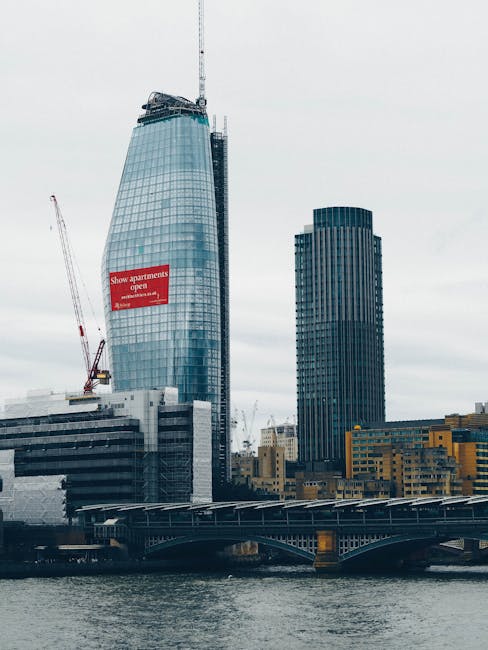
If you are planning a move in EC4, the biggest challenge is rarely the boxes. It is the clock. Blackfriars can feel calm one minute and then, almost without warning, it turns into a tight squeeze of commuters, buses, delivery vans, bike traffic, and impatient taxis. That is why Blackfriars removals EC4 insider tips for rush hour moves matter so much: they help you avoid the usual bottlenecks, reduce stress, and get your move done without turning the day into a scramble.
In this guide, we will walk through the local realities that catch people out, how rush-hour removals actually work in practice, what makes a move smoother in the EC4 area, and the little decisions that save time. Truth be told, a good move in Blackfriars is often about timing, access, and preparation more than muscle. Get those three right and the rest starts to feel manageable.
Why Blackfriars removals EC4 insider tips for rush hour moves Matters
Blackfriars sits in one of those parts of London where the geography is simple on a map and a bit more complicated on the ground. You have major roads, office-heavy streets, rail and Tube footfall, narrow windows for parking, and a constant flow of people heading in and out of central London. That mix creates a very specific moving problem: the move may be short in distance, but it can still be slow in reality.
Rush hour changes the shape of the job. A route that looks direct can become stop-start. A building that is easy to access at 10 a.m. may feel awkward at 8:30 a.m. because of loading pressure. Even the quiet stuff matters: where the van waits, whether the lift is free, how far it is from the front door to the vehicle, and whether you can keep the path clear without blocking everyone else. Small details. Big difference.
That is why planning local removals around commuter peaks is not just a nice extra. It is a practical necessity. If you are moving a home, a flat, or a small office, you want a removal setup that respects EC4's pace, not one that fights it.
Expert summary: In Blackfriars, the best moves are usually the ones that are deliberately boring. Fewer surprises, fewer gaps in communication, and a tighter loading plan almost always beat a last-minute rush.
For people comparing service types, a flexible option such as man and van removals or a more full-service approach through removal services can make a real difference, especially if you are trying to avoid dragging a move through the busiest part of the day. And if you want to understand the company behind the service, their about us page is a sensible place to start.
How Blackfriars removals EC4 insider tips for rush hour moves Works
At a practical level, rush-hour removals in Blackfriars work by reducing avoidable friction. You are not trying to outsmart central London traffic. You are building a move around it.
That usually means choosing a loading time that avoids the worst commuter flows, selecting the right van size for the access you actually have, and preparing the property so the crew can move quickly once they arrive. In a busy EC4 environment, the job can rise or fall on whether the first 20 minutes are smooth. If the lift is blocked, the keys are missing, or parking arrangements are vague, the whole day starts to drift.
A well-planned move often includes these steps:
- Confirm the building access route before the move day.
- Work backwards from your ideal departure window, not forwards from a guessed arrival time.
- Keep essentials separate so you do not waste time hunting for them mid-move.
- Use the right vehicle for the street and load size, not just the cheapest one on paper.
- Agree how the team will communicate if traffic or access changes during the job.
If the move is commercial, the same principle applies with even more pressure. Office relocations near Blackfriars need more coordination, especially when desks, IT equipment, and people all have to be kept out of one another's way. Services such as office removals or broader commercial moves are often planned to avoid peak commuter times because the cost of delay is not just time; it is disruption.
To be fair, the phrase "rush hour move" sounds dramatic. But in London, it usually just means the van is not the issue; the timing is. And timing can be managed. That is the good news.
Key Benefits and Practical Advantages
There are several real advantages to planning a Blackfriars move with commuter traffic in mind. The first is obvious: less time sitting still. But the second and third matter too, especially in central London where little delays become expensive little delays.
- Lower stress: You are not watching the clock and wondering whether the vehicle will ever make it through.
- Cleaner coordination: Everyone knows when to be ready, which reduces the awkward waiting around that drains energy.
- Better access use: Building staff, lifts, and loading points are easier to work with when the schedule is realistic.
- Fewer damaged items: A calmer pace means fewer rushed lifts, fewer dropped corners, and less chance of scraping furniture.
- More predictable costs: When a move is better planned, there is less scope for the day to drag on unexpectedly.
There is also a psychological benefit that people underestimate. A move already feels like a lot. Once you remove the guesswork around traffic and access, the whole thing becomes more manageable. You stop reacting to the road and start following a plan.
For families and larger households, using proper house removals support can be the difference between a move that feels chaotic and one that simply feels full. If you only need a lighter, more flexible setup, a moving van may be enough. Not every move needs a giant truck rumbling through EC4 like it owns the place.
Who This Is For and When It Makes Sense
This approach is useful for a wide range of movers, but it is especially relevant if any of the following sound familiar:
- You are moving from or into a flat in or near Blackfriars and have limited loading time.
- You work standard office hours and can only move either side of the commute window.
- You are relocating a small business, studio, or professional practice in EC4.
- You have fragile furniture, heavy boxes, or awkward stair access that slows everything down.
- You want to avoid paying for avoidable waiting time caused by poor scheduling.
It also makes sense if you are moving with elderly family members, pets, or young children. Those moves need a gentler rhythm, and that usually means reducing the time spent waiting on the street or in a lobby. The quieter the handover, the better.
If you are still deciding what type of support suits you, it can help to compare a more hands-on man with a van setup against fuller movers who can take on more of the lifting, loading, and coordination. Different moves, different shape. Simple as that, really.
Step-by-Step Guidance
If you want to handle a rush-hour move in Blackfriars without unnecessary drama, use a process rather than improvisation. Here is a practical order that works well.
- Check your access first. Confirm lift availability, stair width, building entry rules, and whether there are any time restrictions for vehicles or loading bays.
- Choose a realistic time window. If you can move before the main rush or after the morning crowd has cleared, do that. A slightly later start can sometimes save an hour overall.
- Sort your packing by priority. Keep essentials, documents, chargers, keys, and a kettle box separate. Yes, the kettle box matters more than people admit.
- Label by room and urgency. "Kitchen - first open" is better than "misc." because people are usually tired by the end and labels need to do the heavy lifting.
- Reserve the vehicle size carefully. Too small, and you create extra trips. Too large, and you may make access harder than it needs to be.
- Prepare a street-side handover plan. Know exactly who is meeting the van, who has the keys, and where the first items should go on arrival.
- Load in the right order. Put the least-needed boxes and sturdier items in first, with essentials and fragile items positioned so they come out quickly.
- Keep communication open. If the building staff are running late or the traffic shifts, let the mover know early rather than after the delay has snowballed.
One small but helpful habit: pack a "first hour" bag. Include tea or coffee, toilet roll, chargers, medication, snacks, and a few tools. When you arrive tired and mildly sweaty at 9:45 a.m., you will thank yourself. Maybe even out loud.
If you need hands-on help with the fiddly parts, packing and unpacking services can remove a surprising amount of pressure. It is the sort of help people only fully appreciate when they are standing in a corridor wondering which box has the clean mugs.
Expert Tips for Better Results
Here is where the local knowledge really helps. These are the details that often separate a smooth EC4 move from a slow one.
1. Aim for the edge of rush hour, not the middle
If your schedule allows it, the least painful window is usually just before the peak or just after it begins to ease. Even a 30-minute shift can change the entire tone of the job. In practice, that may mean starting very early or choosing a slightly later slot once the worst of the commuter surge has passed.
2. Treat parking as a moving task, not an admin task
People often leave parking until last because it feels like a background issue. In Blackfriars, it is not background. Where the vehicle stops determines how far every item must be carried, how long the job takes, and how much friction you create on the street. Shorter carry distance usually saves real time.
3. Use the building's quiet moments
If your building has concierge staff, lift access, or shared entrances, ask when those spaces are least busy. A move that starts ten minutes later but avoids a rush at the lobby can be faster overall. Weirdly, the quiet window is often the best window.
4. Break the move into zones
For home moves, separate bedrooms, kitchen, books, and loose items into distinct zones. For office moves, separate IT, files, office furniture, and communal items. This stops the team from crossing paths and makes unloading cleaner at the destination.
5. Keep valuables and essentials with you
Rush hour and tiredness are a bad combination for important items. Passports, jewellery, contracts, laptops, and medication should stay under direct control rather than disappearing into the van. You really do not want a frantic search on the pavement.
And one more thing: if you are weighing up the vehicle type, do not choose based on habit alone. A removal van may be enough for a compact move, while a larger moving truck suits bigger loads. The right choice is the one that matches both your furniture and your access.
Common Mistakes to Avoid
Most moving problems in Blackfriars are not dramatic disasters. They are a chain of smaller mistakes that add up. Here are the most common ones.
- Assuming traffic will be fine because the distance is short. In EC4, short distance does not guarantee short time.
- Packing too late. Late packing creates the kind of missing-item panic that no one enjoys.
- Not telling the building team in advance. Security or reception processes can slow things down if people are surprised.
- Leaving fragile items mixed with heavy ones. It is a classic mistake and, frankly, a frustrating one.
- Underestimating the number of trips. If the van is too small, the move starts to behave like a relay race.
- Forgetting that lifts and stairwells take time. The van journey may be fast, but the vertical journey is where many moves lose time.
Another common issue is choosing the wrong kind of help. Some moves only need a straightforward removal van with a capable driver. Others need full house movers who can manage the labour as well as the transport. There is no prize for overcomplicating it.
If you want the job done with less friction, keep the plan simple and the instructions clear. That alone solves more problems than people expect.
Tools, Resources and Recommendations
You do not need a mountain of equipment to move well, but the right basics make a big difference. A sensible EC4 move usually benefits from the following:
- Strong boxes in a range of sizes
- Packing tape and a dispenser
- Permanent markers for clear labels
- Bags or tubs for cables, chargers, and fittings
- Furniture covers or blankets
- Basic tools for dismantling beds, tables, and shelving
- Floor protection for sensitive hallways or freshly cleaned spaces
It also helps to keep your paperwork tidy. Quote details, access notes, building instructions, and any agreed arrival window should all be in one place. If the move involves a business or sensitive equipment, a written plan saves time when things get busy.
For reassurance around service standards, it is worth checking practical pages such as insurance and safety, health and safety policy, terms and conditions, and payment and security. Those pages help you understand how a reputable operator approaches risk, payment handling, and service expectations.
If you are still pricing the move, a clear look at pricing and quotes can help you compare options without guesswork. And if you care about disposal and reuse, recycling and sustainability is worth reviewing too, especially if you are clearing unwanted items during the move.
Law, Compliance, Standards, or Best Practice
For removals in central London, the main thing is not to overstate certainty. Exact vehicle access rules, loading restrictions, or building procedures can vary by street, landlord, and time of day. So the safest approach is to confirm the details directly with the building or the relevant local authority guidance before moving day.
In general, good practice in EC4 includes:
- Respecting loading and parking restrictions.
- Avoiding obstruction of pavements, entrances, and emergency access routes.
- Using properly secured loads so items do not shift during transport.
- Planning manual handling carefully to reduce injury risk.
- Keeping communication clear if access conditions change on the day.
For professional movers, having clear safety procedures, appropriate insurance, and transparent terms is more than just good manners. It is part of sensible operating practice. If a company provides a dedicated removal company service, you should expect straightforward information about what is included, how the job is handled, and what happens if the schedule shifts.
Likewise, if you are arranging a business relocation, it is sensible to look at office relocation services that understand how to work around building rules and operational hours. That is not just compliance; it is respect for the people who have to live or work in the space after you.
Options, Methods, or Comparison Table
Different move types call for different approaches. Here is a simple comparison to help you decide what fits your situation in Blackfriars.
| Option | Best for | Strengths | Possible drawback |
|---|---|---|---|
| Man and van | Small flats, light loads, flexible timing | Quick, practical, often easier to fit around traffic | May need extra trips for larger moves |
| Removal van | Compact household or office moves | Good balance of space and manoeuvrability | Can still be tight if access is awkward |
| Moving truck | Larger homes or fuller commercial loads | More capacity, fewer trips | Harder to position in tighter EC4 streets |
| Full removal service | Busy households, offices, or complex moves | Less personal labour, more coordination support | Usually more involved to organise |
If your move is smaller and you want to keep things nimble around rush hour, a man with van removal approach may be the sweet spot. If the job is bigger, full removals support is often worth it because the value shows up in reduced stress and cleaner execution, not just in transport.
Case Study or Real-World Example
Here is a realistic example based on the sort of move people often face in EC4.
A couple moving from a small top-floor flat near Blackfriars Bridge had a limited window because one person needed to be at work by midday and the other had to hand back keys that afternoon. The initial instinct was to book a mid-morning collection. On paper, that looked fine. In practice, it would have landed them right in the thick of commuter traffic.
Instead, they shifted the loading time earlier, split the packing into a "first load" and "last load," and kept the most important items in one clearly marked bag. The mover was briefed on access in advance, the hallway was cleared the night before, and the van was matched to the size of the job rather than to the assumption that "bigger is better."
The outcome? Less waiting, less back-and-forth, and a calmer arrival at the new place. Nothing magical. Just a better sequence. One of those jobs where the day felt almost uneventful, which is exactly what you want from a move.
That kind of result is also why many customers choose a focused man and van removals setup for local EC4 moves. It is often enough capacity, without the complexity that can come with a bigger vehicle in a busy central area.
Practical Checklist
Use this checklist the day before and the morning of the move. It is simple on purpose.
- Confirm the arrival time and contact person.
- Check lift access, entry codes, and any building rules.
- Prepare labels for boxes and furniture.
- Separate essentials, valuables, and documents.
- Disassemble only what you can reassemble easily, or arrange help.
- Clear corridors, doorways, and the main loading path.
- Keep snacks, water, and chargers accessible.
- Protect floors and delicate corners where needed.
- Have keys, phone, and payment details ready.
- Review the plan for the first hour after arrival.
If you are moving a home and want more tailored support, a look at home moves can help you match the service to the size and pace of the job. Smaller move? Maybe a lighter plan works. Larger one? Give yourself a bit more breathing room.
And if there are any bulky or leftover items that do not need to travel with you, a separate furniture pick up can be a sensible clean-up step before moving day. Less clutter usually means less stress. Pretty much always.
Get a free quote today and see how much you can save.
Conclusion
Blackfriars removals during rush hour are not impossible. They just reward good timing, realistic expectations, and a little local awareness. If you treat access, traffic, and packing as part of one plan, the move becomes far easier to manage. You do not need perfection. You need a sequence that works.
The main lesson is simple: in EC4, the best move is the one that respects the rhythm of the area. Start at the right time, keep the load organised, and choose the service style that fits your property and your day. That is how you turn a stressful city move into something much more manageable.
And once the boxes are in, the kettle is unpacked, and the last bit of tape is off your fingers, it all feels a bit lighter. Thank goodness for that.
Frequently Asked Questions
What is the best time for a Blackfriars move to avoid rush hour?
In general, the best time is outside the main commuter peaks, ideally by arranging either an early start or a later window once the busiest traffic has eased. The exact choice depends on access, building rules, and how much you need to move.
Can I still move during rush hour in EC4?
Yes, but it is usually slower and needs tighter planning. If you must move during a busy window, keep the load organised, confirm access in advance, and be prepared for delays around parking and loading.
Is a man and van service enough for a Blackfriars flat move?
Often, yes. For small to medium loads, a flexible man and van setup can be a practical choice. It is usually easier to manage in central London than a larger vehicle, especially if access is tight.
How do I know whether I need a moving van or a full removal service?
Think about volume, access, and how much lifting you want to do yourself. A moving van may suit a compact move, while a fuller removal services option is better for larger, more involved jobs.
What should I pack separately for a rush hour move?
Keep essentials with you: keys, medication, chargers, documents, toiletries, snacks, and any items you will need within the first hour. That way, you are not rummaging through boxes while everyone is tired and on the move.
Are there special access issues around Blackfriars?
There can be, yes. EC4 has busy roads, busy buildings, and limited tolerance for loading mistakes. Always check building access, lift availability, and any street restrictions before moving day.
Does packing help make a rush hour move faster?
Absolutely. Good packing shortens loading time, makes the van easier to organise, and reduces the chance of confusion at the new address. If you want extra support, packing and unpacking services can be very useful.
Is it better to use a larger vehicle so I need fewer trips?
Sometimes, but not always. In Blackfriars, a bigger vehicle can be harder to position. The best option is the one that fits both your load and the street access, not just the one with the biggest capacity.
How do I reduce stress on moving day?
Plan the access, label the boxes, keep essentials separate, and communicate clearly with the mover. A calm, ordered start usually leads to a calmer finish. That is the truth of it.
Should I check insurance before booking a mover?
Yes. It is sensible to review insurance and safety information before you book, especially if you are moving valuable, fragile, or bulky items. Clear paperwork gives you peace of mind and helps set expectations properly.
What if my building has strict move-in or move-out rules?
Then you should build the whole schedule around them. Building rules matter more than convenience, because a move that arrives at the wrong time can quickly become a waiting game. Speak to the building team early and confirm the window in writing if possible.
Can a local mover help with office moves in Blackfriars?
Yes, and for office moves it is often wise to choose a team familiar with central London access and timing. Services such as office removals are designed for exactly that kind of coordination.
If you are planning a move soon, the best next step is to compare your access, load size, and timing window before you pick the vehicle. A few honest decisions at the start save a lot of rushing later. And in Blackfriars, that can make all the difference.