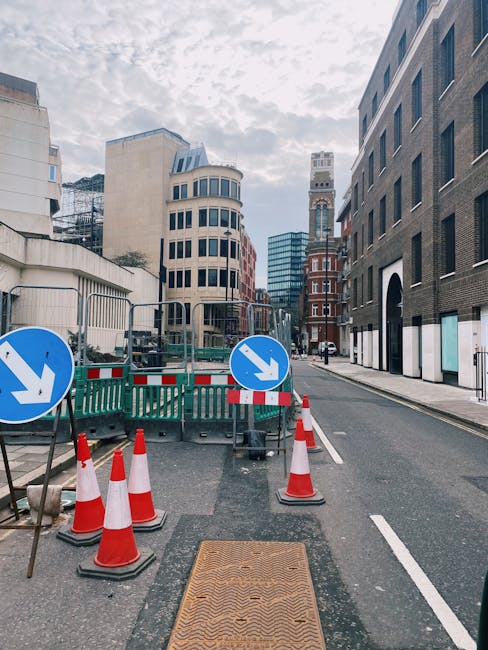
Loading Bay Regulations on Queen Victoria St for Removals

If you are planning a move on or near Queen Victoria St, the loading bay rules can make the difference between a smooth day and a painful one. One missed time slot, one awkward parking decision, and suddenly the whole schedule slips. Loading Bay Regulations on Queen Victoria St for Removals may sound like a narrow topic, but in real life it affects timing, access, safety, and cost. This guide breaks it all down in plain English so you can plan properly, avoid avoidable stress, and make the move feel a bit less like a scramble.
It is written for anyone moving home, flat, or office in the Blackfriars and City fringe area, especially where vehicle access is tight and every minute matters. We will look at how loading bays typically work, what to check before moving day, the most common mistakes people make, and how to build a safer, more efficient loading plan. If you are also trying to reduce packing pressure, our guide to efficient techniques for packing when relocating can help you get the boxes under control before the van arrives.
Why Loading Bay Regulations on Queen Victoria St for Removals Matters
Queen Victoria St sits in a busy part of central London where road space is precious and the street environment is shaped by commercial traffic, pedestrians, delivery vehicles, and time pressure. That is why loading bay regulations matter so much. They are not just an inconvenience. They are the framework that decides where a removal van can stop, how long it can remain, and whether the crew can work without causing disruption.
For removals, the biggest risk is assuming a bay is available simply because it is there. In practice, loading areas can be time-restricted, shared with other users, or controlled by local parking rules. Some stretches are easier in early morning; others become far less forgiving once office traffic, visitors, and service vehicles start moving. To be fair, the street can look calm at 7 a.m. and feel completely different by 9 a.m.
Regulations also matter because they protect everyone involved. A properly managed loading point helps avoid obstructing traffic, reduces pressure on the removals team, and lowers the chance of damage while carrying items between the van and the building entrance. If your move includes a lot of furniture, it is worth thinking beyond the bay itself and also reviewing furniture removals in Blackfriars so the handling plan matches the access conditions.
Expert summary: If a removal on Queen Victoria St feels rushed, the issue is often not the packing - it is the access plan. The loading bay is the bottleneck, so treat it like part of the move, not a side detail.
How Loading Bay Regulations on Queen Victoria St for Removals Works
Although the exact rules can vary by location and time of day, the logic is usually consistent. A loading bay exists to support short-term loading or unloading. That means the vehicle must use it within the permitted conditions, remain within the allowed duration, and avoid turning the bay into an all-day parking space. Simple enough on paper. In the middle of a moving day, less simple.
For removals, the practical process usually looks like this:
- Check the street layout and identify where the van can legally stop close to the property.
- Confirm the time restrictions that apply to the loading bay or loading-only area.
- Plan the arrival time so the van reaches the bay when the property is ready to load.
- Keep the route from the van to the entrance clear for carrying boxes and furniture.
- Move efficiently so the van is not left waiting beyond the permitted period.
The key point is that loading bays are about activity, not convenience. If the crew needs to move several heavy items, the clock matters. So does coordination with the property. In some jobs, the best approach is to split the move into smaller runs rather than leave everything in the hallway and hope it works out. That rarely ends well.
If you are managing a flat move, especially with narrow entrances or upper-floor access, it may help to read flat removals Blackfriars alongside this guide. The access challenge is often just as important as the load itself.
Key Benefits and Practical Advantages
When the loading plan is right, the benefits are immediate. The move feels calmer, the crew works faster, and you reduce the chance of awkward delays. That sounds obvious, but in central London a ten-minute mistake can easily become a thirty-minute problem. One small setback, then another, and the whole day starts to wobble.
- Faster turnaround: A legal, well-timed loading bay means the team can start and finish close to the property.
- Lower risk of fines or complaints: Good planning helps avoid unnecessary enforcement issues and neighbour frustration.
- Better handling of fragile items: Shorter carrying distances reduce the chance of bumps and drops.
- Less physical strain: The team spends less time walking loads long distances, which helps with safe handling.
- More predictable scheduling: Everyone knows when the van arrives, when loading begins, and when departure should happen.
There is also a financial angle. If a van is stuck circling, waiting, or parked badly because the correct bay was unavailable, the cost can rise quickly. That includes crew time, rescheduling stress, and sometimes extra transport adjustments. If you want to see how that fits into the wider picture, our page on pricing and quotes may be useful when you are comparing options and trying to avoid surprise charges.
Who This Is For and When It Makes Sense
This topic matters most to people moving into or out of Queen Victoria St, nearby side streets, or the surrounding Blackfriars and City area where loading space is tightly controlled. It is especially relevant if any of the following apply:
- You are moving from a flat with no private forecourt or driveway.
- Your office move needs early-morning access before the street gets busy.
- You have bulky furniture, white goods, or awkward items that cannot be carried long distances easily.
- You are using a man and van service or a smaller removal vehicle that depends on close access.
- You need a same-day or time-sensitive move and cannot afford to lose half an hour on parking.
It also makes sense if you are moving with limited help. In that case, access becomes even more important because each trip takes longer. If you are trying to manage the whole process yourself, it is worth reading solo heavy lifting techniques you need to know before you attempt any awkward lifting around the bay or building entrance.
Truth be told, this is not just for large jobs. Even a modest move can go sideways if the van cannot stop in the right place. A few boxes and a sofa still need the same access discipline as a bigger house move.
Step-by-Step Guidance
Here is a practical way to handle loading bay planning without overcomplicating it.
1. Assess the property access first
Start with the building, not the van. Check whether there is a loading bay nearby, how far it is from the entrance, and whether the route has steps, kerbs, or awkward corners. A short distance on paper can still be annoying in reality if the footpath is narrow or busy.
2. Match the move type to the access window
Not every move needs the same amount of time. A studio flat with light furniture is different from a top-floor office with desks and archive boxes. Be realistic. If you think you will need 20 minutes, build in more. Moving day has a habit of laughing at optimistic estimates.
3. Prepare the property before the van arrives
Pack, label, and stage items in advance so the crew can load quickly. If you are still tape-wrangling boxes while the van is waiting outside, the clock will not be kind to you. For a cleaner process, our guide to decluttering before relocating is a very sensible place to start.
4. Keep the loading route clear
Hallways, doorways, lifts, and the path from the entrance to the van should be free of clutter. If a trolley or sack truck is being used, make sure it can turn without scraping walls or blocking others.
5. Load in the right order
Heavy, stable items usually go in first. Delicate or oddly shaped items are loaded with care so they do not get crushed. If you are moving large furniture, helpful guidance from transporting your bed and mattress can make the packing order much easier to plan.
6. Finish cleanly and move off promptly
Once loading is complete, do not linger in the bay. Double-check the property, collect any stray packing materials, and move the van on. A tidy exit is part of compliance too.
Expert Tips for Better Results
There are a few things experienced movers tend to do that make a big difference on Queen Victoria St. None of them are flashy. They are just sensible, and that is usually enough.
- Plan for a short buffer: Build in extra time for traffic, lift delays, or a building manager who is running five minutes late.
- Use one person as access lead: Someone should keep an eye on the bay, the entrance, and the movement of items. It reduces confusion.
- Keep paperwork and phone contacts handy: If a porter, building manager, or customer needs to confirm something quickly, you want it available.
- Avoid peak chaos where possible: Early access is often better than a mid-morning slot, especially in central London.
- Think about the return journey too: If the van leaves too late, getting it back into position can become harder than the initial loading.
If the move involves a lot of lifting, you will also benefit from sensible handling technique. It is worth taking a look at kinetic lifting and movement efficiency because the principles are useful in real removal work, not just theory.
And one small thing that gets overlooked: weather. Rain makes kerbs slick, cardboard weaker, and everyone a little grumpier. A wet Tuesday morning on a busy London street is not the moment to improvise.
Common Mistakes to Avoid
Most loading bay problems come from the same handful of mistakes. The good news is they are all preventable.
- Arriving without checking the time window: You may legally be on the street but still not allowed to use the bay yet.
- Assuming the van can wait indefinitely: Loading bays are for loading, not long-term parking.
- Forgetting building access rules: Some properties need fobs, porter approval, or lift booking.
- Not preparing the items in advance: If boxes are still being packed on arrival, the van time gets wasted fast.
- Ignoring bulky or awkward items: Sofas, pianos, and oversized wardrobes often need special handling.
- Blocking the route for pedestrians: This is a classic mistake in busy streets and it can create complaints very quickly.
There is also a common mental mistake: underestimating how long "just a quick move" actually takes. Let's face it, quick moves have a funny way of becoming less quick once stairs, traffic, and tape are involved.
If you are dealing with difficult furniture, our article on professional piano movers is a helpful reminder that some items are worth handling with specialist care rather than guesswork.
Tools, Resources and Recommendations
You do not need a van full of fancy gear, but the right basic tools make loading bay moves much easier. In our experience, the simple kit often matters more than the expensive kit.
- Furniture blankets for protecting polished surfaces and corners.
- Straps and ties to stop items shifting in transit.
- A sack truck or trolley for boxes and heavier items.
- Floor protection if items are being moved across a reception area or communal hallway.
- Clear labels so the load sequence is obvious.
- Charged phone and contact list for building managers, tenants, and the removal crew.
On the planning side, a room-by-room packing approach is often the easiest way to keep control. If you want a sensible system, have a read of packing techniques for relocating and the packing and boxes Blackfriars page for packaging support.
For larger or more complex jobs, you may also want to think about temporary storage. It can be a neat way to avoid forcing everything into one tight moving window, especially when building access is restricted or split across multiple days. That is where storage in Blackfriars can fit into the wider plan.
Law, Compliance, Standards, or Best Practice
Loading bay use in London is governed by local parking controls, traffic management expectations, and general road safety duties. The exact permissions, restrictions, or exemption possibilities can vary, so the safest approach is to treat the street as controlled space unless you have confirmed otherwise. That is the careful way to do it, and frankly the least stressful.
For removals, best practice usually means:
- Checking the relevant street restrictions before the moving date.
- Making sure the vehicle is used only for genuine loading or unloading.
- Keeping the stop as short as practical.
- Not obstructing pedestrians, cyclists, or passing traffic.
- Ensuring the crew works safely around kerbs, doors, and vehicle edges.
Where people get into trouble is often not the removal itself, but the assumption that a commercial-looking street somehow allows casual stopping. It usually does not. If you are unsure, it is better to plan conservatively than to gamble on a loophole that probably is not there.
For wider operational confidence, our health and safety policy and insurance and safety pages help explain the kind of care a professional move should follow. That matters especially where people, vehicles, and furniture all meet in the same narrow space.
Options, Methods, or Comparison Table
There are a few ways to approach a Queen Victoria St removal, and the right option depends on time pressure, access, and the size of the move. Here is a simple comparison to help you think it through.
| Method | Best for | Pros | Watch-outs |
|---|---|---|---|
| Direct loading bay access | Moves with a close legal stop and tight timing | Fast, efficient, minimal carrying distance | Requires careful scheduling and compliance |
| Short walk from nearby legal stopping point | Smaller moves or streets with restricted access | More flexible if bays are unavailable | Longer carry time, more labour, more risk of delay |
| Staged move with storage | Complex moves, split dates, or access-limited properties | Reduces pressure on moving day | More planning, more handling, possible extra cost |
| Specialist handling for bulky items | Pianos, antiques, large wardrobes, awkward furniture | Safer handling, better protection for valuables | Needs the right crew and more preparation |
In practical terms, the best option is usually the one that reduces uncertainty. For a straightforward flat move, that might be a direct loading bay plan. For a more delicate move, you may need a stronger mix of timing, packing discipline, and specialist handling. If you want to understand how a particular item changes the plan, the couch storage and protection guide and short-walk move guide both touch on the practical side of moving in tight urban spaces.
Case Study or Real-World Example
Here is a realistic example. A tenant moving out of a second-floor flat near Queen Victoria St has a sofa, bed, dining table, and around twenty boxes. The property does not have private parking, so the team needs a loading bay or a very short legal stopping point. The move is booked for early morning because the street becomes busier later.
Instead of arriving with everything still unpacked, the tenant has already labelled rooms, separated fragile items, and moved smaller boxes close to the doorway the night before. The removal crew arrives, checks the bay position, and starts loading in a planned sequence. Heavy furniture goes first. Fragile boxes are kept separate. The route from front door to van is kept clear, and one person keeps an eye on the clock while another manages the flow of items.
The result is not glamorous, but it is efficient. The van leaves on time, nobody is wrestling with a last-minute pile of loose items, and the move feels controlled rather than chaotic. That is the goal. Not perfection. Control.
A similar logic applies when the move is more urgent. If you are under time pressure, our article on urgent same-day moves in Blackfriars gives a useful sense of what to expect when the timetable is already tight.
Practical Checklist
Use this checklist the day before and on the morning of the move.
- Confirm the loading bay location and access timing.
- Check whether any building permissions or lift bookings are needed.
- Pack and label all boxes clearly.
- Move fragile or valuable items separately.
- Make sure the route from property to van is clear.
- Keep keys, fobs, and phone contacts to hand.
- Protect furniture with blankets or covers.
- Prepare parking or access notes for the removals team.
- Keep pets, children, and non-essential people out of the loading path.
- Allow a little buffer time, because London likes to surprise you.
Quick takeaway: the strongest loading bay strategy is simple - check access early, pack properly, keep the route clear, and work within the permitted stop time. That is the whole game, really.
Conclusion
Loading Bay Regulations on Queen Victoria St for Removals are really about three things: access, timing, and control. If you get those right, the rest of the move becomes much easier. If you get them wrong, even the most organised packing can feel messy. The good news is that most problems are avoidable with a bit of planning and a realistic view of how busy central London streets actually work.
Whether you are moving a flat, an office, or a single bulky item, the best approach is to plan the loading bay as part of the move itself. Check it early, prepare the property properly, and keep the workflow simple. That way, you spend less time worrying about the street and more time settling into the new place. And honestly, that is what matters most at the end of the day.
Get a free quote today and see how much you can save.
Frequently Asked Questions
What are loading bay regulations for removals on Queen Victoria St?
They are the rules that control when and how a vehicle can stop in a loading area for genuine loading or unloading. The exact conditions depend on the local street controls, so you should always check the timing and permitted use before moving day.
Can a removal van wait in a loading bay all day?
Usually, no. Loading bays are designed for short-term loading activity, not long-term parking. If the move takes longer than expected, the crew may need to move on and return later, depending on the street rules.
Do I need to book a loading bay in advance?
Sometimes the answer is yes, sometimes no, depending on the specific location and local arrangements. For central London moves, advance planning is usually wise because the space is limited and the time window can be tight.
What happens if the loading bay is already occupied?
The move may need to wait, use an alternative legal stopping point, or be rescheduled slightly. That is why it helps to have a backup plan instead of relying on one exact spot.
Is Queen Victoria St difficult for removals?
It can be, mainly because it is a busy central London street with competing traffic demands. With the right timing and access plan, though, it is manageable. The difference between rushed and organised can be huge.
What time of day is best for a move in this area?
Earlier is usually better because traffic and pedestrian movement tend to build later in the morning. That said, the best time still depends on the building, the bay restrictions, and your access requirements.
How do I make loading faster on moving day?
Pack in advance, label boxes clearly, stage items near the entrance, and decide the loading order before the van arrives. The less decision-making during loading, the smoother it goes.
Do loading bay rules affect flat moves as much as house moves?
Absolutely. In some cases they matter even more for flats because access is tighter and carrying distances can be longer. That is why planning matters so much for apartment and upper-floor moves.
What should I do about bulky items like sofas or pianos?
Give them special attention. Bulky or fragile items often need extra handling, protective wrapping, and more space to manoeuvre. If you are moving a piano, specialist support is usually the sensible choice.
Can I combine loading bay use with a short walk from another legal stopping point?
Yes, that is sometimes the best fallback if the closest bay is unavailable or unsuitable. It is not ideal, but a short walk can still work well if the route is clear and the items are prepared properly.
How can I avoid delays on a central London removal?
Plan the route, confirm access, pack early, and keep communication open between the property and the removal team. In our experience, most delays come from tiny preventable details rather than one big problem.
Where can I find more help with planning a move around Blackfriars?
You can explore the site's practical moving guides and service pages for more support with packing, access, storage, and specialist item handling. If you need tailored help, it is best to ask early rather than leave it until the morning of the move.