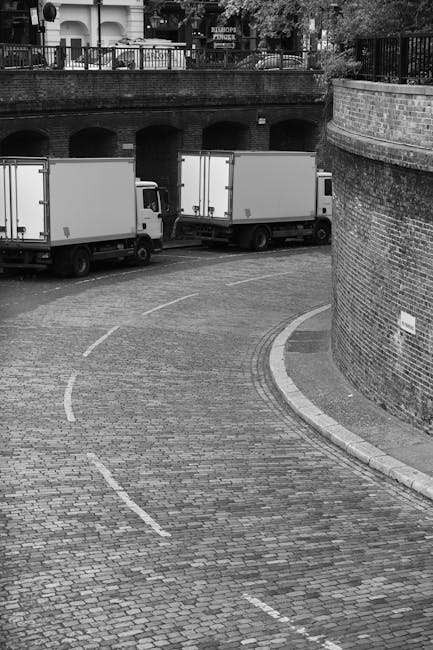
Blackfriars Parking Permits for Moving Vans: City Rules
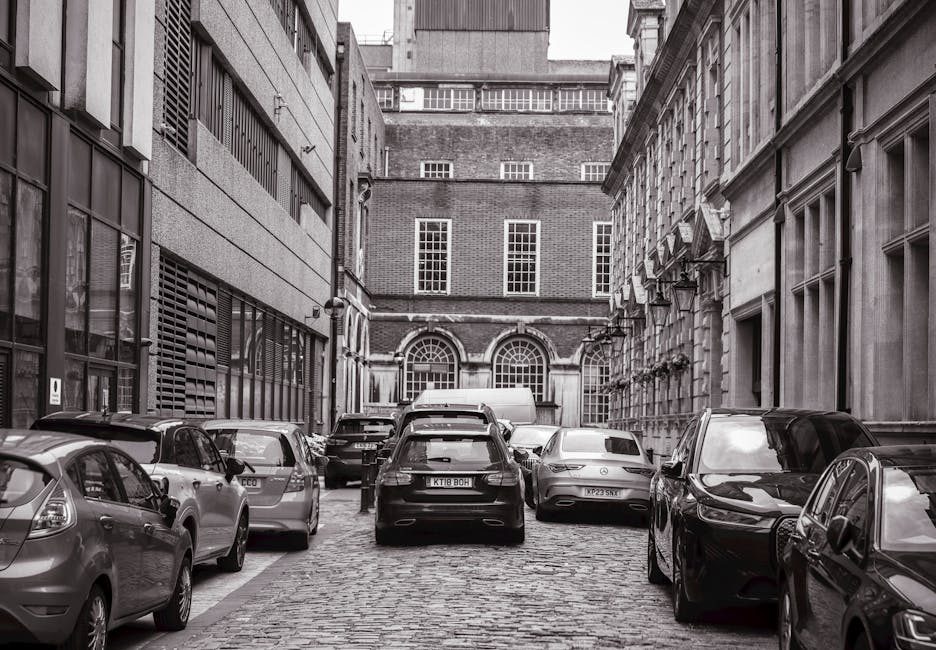
If you are moving in or out of Blackfriars, parking is rarely the easy bit. Streets are tight, loading space disappears quickly, and a moving van that looks "fine for two minutes" can become a problem very fast. That is why Blackfriars Parking Permits for Moving Vans: City Rules matter more than most people expect. A sensible parking plan can save time, reduce stress, and help you avoid the kind of fine that turns moving day sour before the kettle's even unpacked.
In this guide, we'll break down how parking permits and loading rules usually work in central London, what moving van drivers need to think about in Blackfriars, and how to stay compliant without overcomplicating the day. We'll also cover common mistakes, practical planning tips, and the little details that tend to trip people up. To be fair, the rules are not glamorous. But they do make a huge difference when the van is outside, the boxes are downstairs, and everybody is watching the clock.
Why Blackfriars Parking Permits for Moving Vans: City Rules Matters
Blackfriars sits in a part of London where road space is valuable, heavily used, and often tightly controlled. That means a moving van is not treated like a casual visitor dropping by for five minutes. Parking, waiting, loading, and unloading can all fall under different rules depending on the street, the time of day, and the road markings in front of the property.
For anyone planning a move, this matters because the biggest risks are usually practical rather than dramatic. You may not be blocked by a dramatic "no access" sign. More often, it's the smaller things: a single yellow line, a live loading bay, a suspension notice, a busier-than-expected route near Blackfriars Station, or a driver who assumed they could stand outside "just long enough". That assumption is how fines happen.
And there is another layer: moving vans are bigger than a family car, so even when parking is technically possible, access may still be awkward. A van may need space to reverse, turn, or park in a way that keeps doors and footpaths safe. In a place like Blackfriars, where pedestrian flow can be heavy and road layout changes from one street to the next, that is not a small detail.
If your move involves furniture, appliances, or stair-only access, the parking decision becomes part of the moving strategy itself. You can see this in many of the practical moving guides on our site, especially the local move checklist for Blackfriars Bridge and our route guide for vans around Blackfriars Station.
How Blackfriars Parking Permits for Moving Vans: City Rules Works
There is no single "one size fits all" answer for parking in Blackfriars. The exact rules depend on the street, the bay type, the restrictions in force, and whether your van is stopping to load, unload, or simply wait. The core idea is straightforward: if a van is on a public road, it must comply with the local parking controls that apply at that time.
In practice, moving van parking usually falls into one of a few situations:
- Loading or unloading only: short stop to transfer belongings.
- Permit-based parking: a vehicle is parked for longer and may need permission or an allowance.
- Suspended bay use: where a bay has been temporarily reserved or restricted for a specific purpose.
- Controlled street parking: where waiting, standing, or parking is managed by signs and markings.
For moving day, the biggest practical question is often not "Can I park there?" but "Can I stop there safely and legally long enough to get the job done?" That distinction sounds minor. It isn't.
Most readers also underestimate how timing affects the outcome. Early morning may be calmer, but not always simpler. Midday can be easier for access, but busier for traffic. Evening can look tempting, yet may run into local restrictions or neighbour pressure. Blackfriars is the kind of area where one wrong timing choice can turn a tidy move into a stop-start shuffle of boxes, trolleys, and sighs.
For a helpful planning angle, the moving advice in our same-day moving guide and our short-walk move guide for the Pier and Embankment shows why access planning matters just as much as lifting and packing.
Key Benefits and Practical Advantages
When parking is planned properly, the whole move feels calmer. Honestly, that is the real win. Not a heroic, picture-perfect move. Just one where people aren't circling the block, muttering about tickets, or carrying a wardrobe across half of Blackfriars because the van ended up too far away.
Here are the main benefits of getting the parking side right:
- Fewer penalties and disputes: You reduce the risk of fines, warnings, or awkward conversations with enforcement officers.
- Faster loading and unloading: A close, legal stopping point can save a surprising amount of time.
- Better item protection: Less distance between property and van means fewer chances for knocks, drops, or weather exposure.
- Less physical strain: Shorter carrying distances help protect backs, shoulders, and knees.
- Cleaner coordination: Drivers, helpers, and the person supervising the move can work from the same plan.
There is also a subtle benefit that people rarely mention: good parking makes the move feel more professional. That may sound a bit formal, but when you're balancing a mattress, a hallway corner, and a narrow pavements, professionalism is not cosmetic. It is practical.
If your move includes specialist or heavy items, this becomes even more relevant. For example, our pages on piano removals and furniture removals in Blackfriars reflect the kind of planning these jobs need. Parking and access are part of the job, not an afterthought.
Who This Is For and When It Makes Sense
Not every move needs the same level of parking planning, but in Blackfriars, more people need it than they expect. If your address is on a busy road, a narrow side street, or somewhere with limited stopping space, assume the parking question matters from the start.
This is especially relevant for:
- flat and apartment moves with stair access
- student removals with tight time windows
- office relocations where staff access needs to stay uninterrupted
- large-item moves involving sofas, beds, or white goods
- same-day moves where there is very little time for last-minute fixes
It also makes sense for people moving from streets close to major routes and transport hubs, where stopping space is contested and traffic can feel relentless by late morning. You notice this especially around busier corridors near central London. A move can be perfectly organised inside the building, but still bog down outside if the van cannot stop where needed.
If that sounds familiar, the best starting point may be to look at the wider moving plan too. Our flat removals, office removals, and student removals pages are useful if you want to match the parking setup to the type of move rather than guessing at it.
And if you are still weighing up whether you need extra help, our man with a van Blackfriars and man and van Blackfriars services show how a lighter, more flexible setup can suit smaller moves. Big move, small move, weird staircase? There's a plan for that.
Step-by-Step Guidance
Here is a practical way to handle parking and permit planning for a moving van in Blackfriars without turning the day into admin soup.
- Check the exact street and building access. Do not rely on the postcode alone. The street frontage, road markings, and bay type matter far more.
- Identify whether the van will load, unload, or wait. These are not always treated the same way. A short loading stop is one thing; standing for an hour is another.
- Look for signs, markings, and bay restrictions. Read the street furniture properly. A lot of problems come from not noticing a temporary or time-limited restriction.
- Work out the van size in advance. A smaller removal van may fit where a larger vehicle would not. This can change the best route and stopping position.
- Plan the timing around local traffic. Early access can help, but only if the road is actually usable then. Sometimes a slightly later slot is calmer and safer.
- Coordinate with the building or concierge. If there is a loading area, service entrance, or lift booking, get the details straight before moving day.
- Keep a backup plan. If your preferred bay is unavailable, know where the van can legally pause instead. A backup is not pessimism. It is good sense.
- Keep the move tightly scheduled. The less time the van spends idle, the lower the risk of conflict with parking controls.
One simple tip that saves people every time: have one person responsible for the parking decision on the day. Not everybody. One person. Otherwise the van driver says one thing, the person in the flat says another, and suddenly nobody is sure whether the space is legal. Messy. Easily avoided.
If you want to get ahead on the rest of the move, our guides on efficient packing techniques and decluttering before relocating can take a lot of pressure off the day itself.
Expert Tips for Better Results
Good parking planning is rarely about one clever trick. It is more about stacking several sensible choices so the move runs smoothly. Small things add up. They really do.
Here are the tips I would give a client who wanted the least stressful version of a Blackfriars move:
- Book around access, not just time. A "cheap" slot can become expensive if the van sits far away or gets delayed.
- Measure bulky items early. Beds, wardrobes, sofas, and fridges decide how long the van needs to be parked.
- Keep loading bays clear of clutter. Even a tiny obstruction can slow things down at exactly the wrong moment.
- Protect stairwells and entrances. Busy residential buildings can get tight very quickly; this is where careful handling pays off.
- Use a trolley only where the surface and layout allow it. Not every threshold or pavement is trolley-friendly. You'll know it when you see it.
In our experience, the moves that feel easiest are the ones where someone has already walked the route in their head: from front door to van, from lift to bay, from staircase to pavement. That mental rehearsal sounds a bit fussy, but it saves time and nerves. Especially if it's raining, which, well, London.
For heavier or trickier items, the guidance in our stair-only moving tips and our article on hidden moving costs like stairs and insurance is worth a read before you commit to a plan.
Common Mistakes to Avoid
Blackfriars moves often go wrong for boring reasons, not dramatic ones. That is almost comforting, because boring mistakes are easier to fix once you know them.
- Assuming the first available space is fine. It might not be legal, safe, or suitable for a moving van.
- Ignoring loading vs parking rules. A short stop is not automatically the same as long-term parking.
- Forgetting about temporary restrictions. Works, events, and changes in local traffic management can alter what is allowed.
- Choosing a van that is too large. Bigger is not always better in a dense central area.
- Leaving the parking decision until the van arrives. By then, the useful options are often gone.
- Not telling helpers where to carry items. This creates delays, blocked entrances, and unnecessary backtracking.
A common one is people planning the inside of the home beautifully, then completely winging the outside. The sofa is wrapped, the boxes are labelled, the kettle is ready. Great. But if the van has nowhere to stop, all that lovely preparation is fighting a losing battle.
If you are moving larger household pieces, our page on transporting your bed and mattress and the guide on professional piano movers both show why access and handling need to be thought through together.
Tools, Resources and Recommendations
You do not need a mountain of equipment to manage parking sensibly, but a few things make life much easier.
- Printed move plan: A simple page with the address, access notes, contacts, and timing.
- Measuring tape: Handy for checking whether large items will clear doors and hallways.
- Phone charged in advance: Sounds obvious. Still worth saying.
- Labels and colour markers: Help speed up loading so the van is not standing around longer than needed.
- Protective wraps and blankets: Useful for keeping items safe during short carries from van to property.
On the information side, the most helpful resources are the ones that support the move as a whole rather than just the parking puzzle. Our services overview is a useful starting point if you want to see how the different types of removals fit together. If you are trying to reduce item count before the move, the article on decluttering before relocating is a smart companion piece.
And if you are dealing with storage between addresses, that changes your van and parking strategy again. The storage in Blackfriars page may be helpful if the timing is split across more than one day.
Law, Compliance, Standards, or Best Practice
Parking rules in Blackfriars sit within wider local parking controls and road-use expectations. The exact legal position depends on the street signs, bay type, and any live restrictions in place on the day. So while the principle is simple - do not park or stop where you are not allowed - the practical application can vary from street to street.
For moving vans, the safest approach is to treat the parking question as part of compliance, not convenience. That means checking the location carefully, allowing for loading rules, and not assuming that a van is exempt just because the job is temporary. In busy urban areas, enforcement is not unusual, and the standards are usually straightforward: follow the signage, respect access needs, and do not block traffic or pavements.
Good practice also means planning for vulnerable access points. Shared entrances, narrow staircases, and public walkways deserve extra care. Our health and safety policy and insurance and safety information are worth reviewing if you want the move handled with a proper duty-of-care mindset.
One more thing: compliance is not only about avoiding fines. It also protects neighbours, pedestrians, staff, and your own belongings. That's the bit people forget when they are focused on getting the last box out the door before lunch.
Options, Methods, or Comparison Table
Different parking approaches suit different kinds of moves. Here is a practical comparison to help you choose the right setup.
| Approach | Best for | Strengths | Limitations |
|---|---|---|---|
| Short loading stop | Small moves, fast transfers, light furniture | Quick, simple, often the least disruptive | Very time-sensitive; not suitable for long delays |
| Permit-managed parking | Longer moves, flat moves, multiple loads | More structured and predictable access | Needs planning and may involve extra admin |
| Pre-arranged bay or suspended space | Moves with heavy items or tight access | Closest practical access to the property | Usually requires more lead time and careful coordination |
| Off-peak move with minimal parking demand | Smaller van jobs and flexible movers | Sometimes easier to find a workable stopping point | Traffic or local restrictions may still complicate things |
For most Blackfriars moves, the best option is the one that balances legality, proximity, and practicality. Not necessarily the one that sounds easiest on paper. Paper can be optimistic. The street, less so.
Case Study or Real-World Example
A typical Blackfriars flat move might look simple at first glance: one-bedroom property, a few boxes, a sofa, bed frame, and a couple of awkward items. The snag is the street outside. Maybe the building sits on a road with limited stopping space and a lot of daytime movement. Maybe the lift is booked for a short window. Maybe the sofa is too large to carry comfortably over a long distance.
In that situation, the move succeeds or fails on parking and timing. If the van stops too far away, the carrying distance increases and the team slows down. If the driver has to reposition because the space is not suitable, everything stalls. But if the stopping point is chosen in advance, the van arrives, the team works in a clean sequence, and the move feels manageable.
We have seen this kind of situation go well when clients do three things: they declutter first, pack properly, and keep the access instructions brutally simple. One address note, one contact person, one agreed parking plan. That's it. No drama, no vague "we'll sort it when we're there".
For moves like this, the combination of flat removals support, packing and boxes, and a properly thought-out van position can turn a stressful morning into a fairly ordinary one. And ordinary is good on moving day.
Practical Checklist
Use this before moving day. It is the kind of checklist that saves you from the 8:15 a.m. "hang on, where can the van actually stop?" moment.
- Confirm the exact moving address and access point.
- Check the road signs and bay markings near the property.
- Decide whether the van will load, unload, or wait.
- Choose a vehicle size that fits the street as well as the furniture.
- Book any building access, lift use, or concierge support in advance.
- Prepare a simple plan for carrying items from door to van.
- Keep a backup stopping point in mind.
- Label boxes clearly so loading is faster.
- Protect fragile and awkward items before they leave the property.
- Make one person responsible for parking decisions on the day.
If you need a broader moving reset before the big day, the guides on cleaning before you move and stress-free house moving techniques are a useful pairing. Small prep jobs, big payoff.
Get a free quote today and see how much you can save.
Conclusion
Blackfriars parking permits and moving van city rules are not just admin details. They shape the whole move. When you get them right, everything else feels easier: loading is cleaner, access is smoother, and the day has less friction. When you get them wrong, even a well-packed van can end up waiting around while stress quietly climbs.
The best approach is simple: check the street, understand the stopping rules, plan the timing, and keep the parking decision connected to the rest of the move. That way, you are not hoping for luck. You are giving yourself the best shot at a calm, legal, efficient move in a busy part of London. And that, truth be told, is what most people want more than anything else.
One final thought: a move in Blackfriars may be busy, but it does not have to be chaotic. With the right plan, it can feel surprisingly under control. Almost boring, even. Which is exactly how a good move should feel.
Frequently Asked Questions
Do I need a parking permit for a moving van in Blackfriars?
Sometimes yes, sometimes no. It depends on the exact street, the road markings, the time of day, and whether the van is loading, unloading, or staying longer. Always check the location carefully rather than assuming.
Can a moving van stop in a loading bay?
Often it can, but only if the bay rules allow loading or unloading at that time. A loading bay is not a free-for-all. The stop still has to fit the local restriction and any time limit that applies.
What happens if I park the van somewhere unsuitable?
You risk a penalty, delays, or being forced to move the van at the worst possible time. It can also make loading unsafe or awkward, especially on a busy London street.
Is it better to book an early move in Blackfriars?
Not always, but it can help. Early access may mean less traffic and fewer competing vehicles. Then again, the best time depends on the street and the building, so it is worth checking both sides of the equation.
How far should the van be from the property entrance?
As close as is legal and safe. Every extra metre adds effort, time, and risk. In a perfect world, the van would be near enough for an efficient carry without blocking access or breaking parking rules.
Are parking rules different for a removal van and a normal van?
The vehicle type can matter in practice, especially if size or access is an issue, but the parking restrictions are still controlled by the street rules. The van being "for removals" does not automatically change what is allowed.
What should I do if the planned space is already taken?
Have a backup option ready before moving day. That might mean a different legal stopping point, a later arrival time, or a smaller vehicle if access is especially tight.
Do student moves in Blackfriars need the same parking planning?
Often less, but the same principles apply. Even a small student move can get complicated if the van cannot stop safely near the property. Short moves still benefit from proper planning.
Can I organise parking and packing separately?
You can, but it is not ideal. Parking, packing, and loading all affect each other. If one is out of sync, the whole job slows down. It is much easier when they are planned together.
What are the biggest mistakes people make with moving vans in Blackfriars?
The biggest mistakes are leaving parking until the last minute, assuming a stop is legal because it looks convenient, and underestimating how busy central London streets can be. Those three cause a lot of unnecessary stress.
Should I choose a smaller van for a Blackfriars move?
Sometimes a smaller van is the smarter choice because it is easier to place, manoeuvre, and load in a tight area. But the best size depends on the volume of belongings and the access conditions at the property.
Where can I get help planning a move in Blackfriars?
Start with the move details: address, access, timing, and item list. Then speak to a local removals team that understands central London parking and loading challenges. A good local plan makes the day much calmer.
If you want to learn more about the team behind these guides, you can also visit our about us page, or get in touch through our contact page if you are planning something soon.